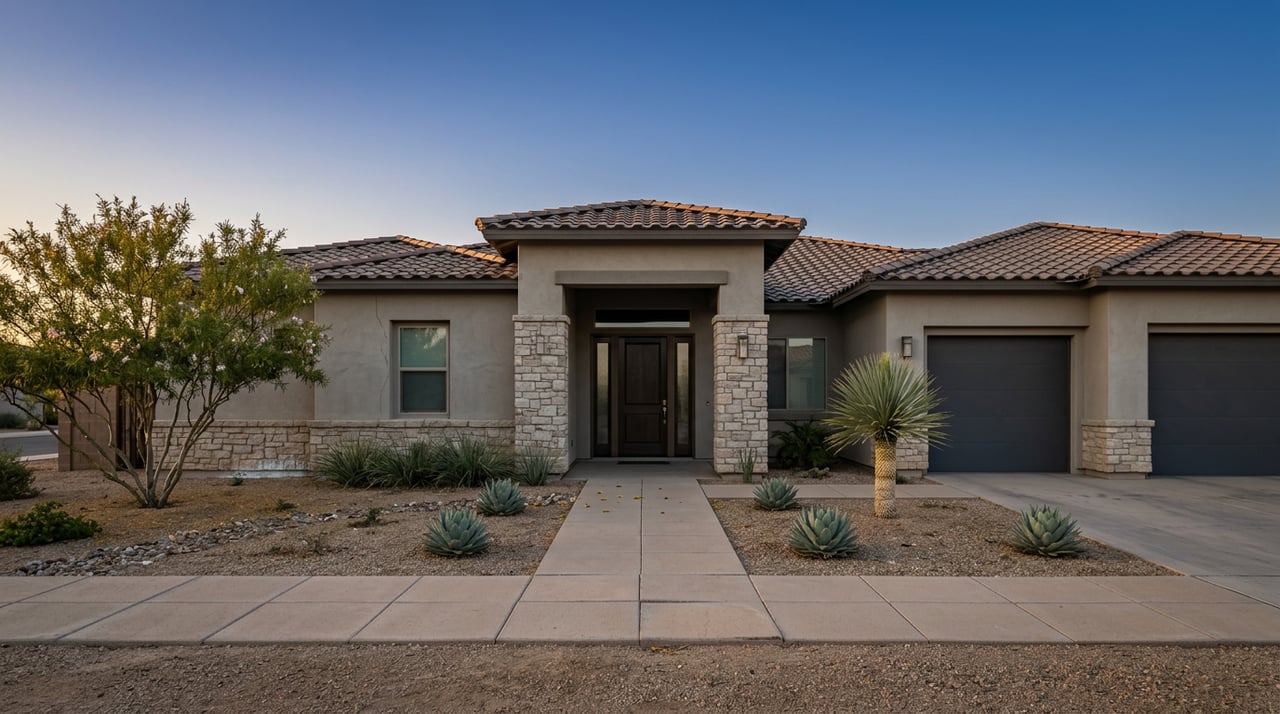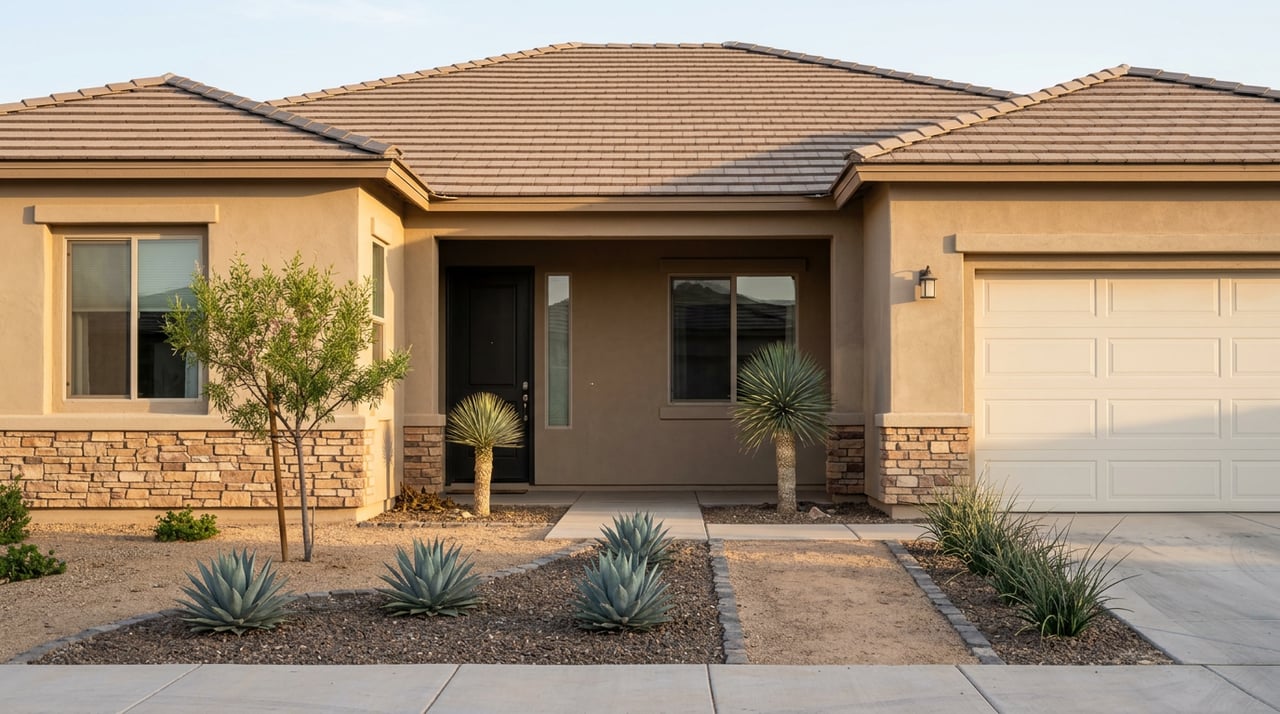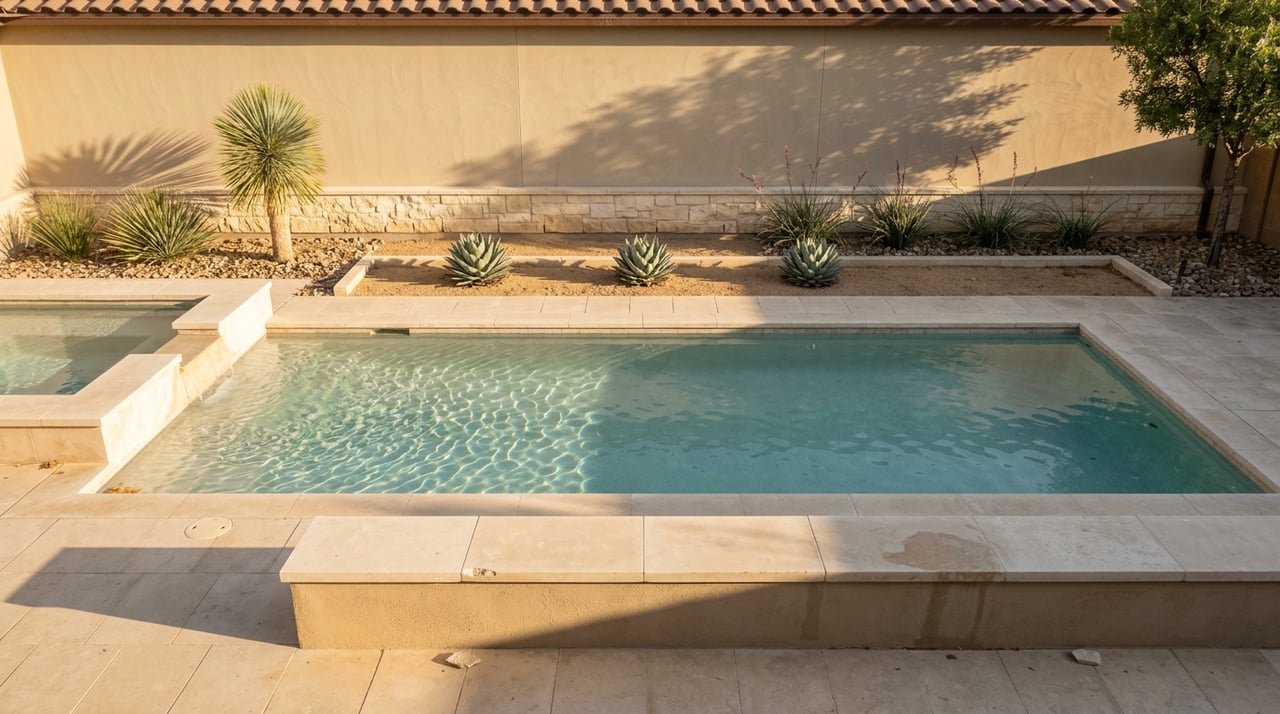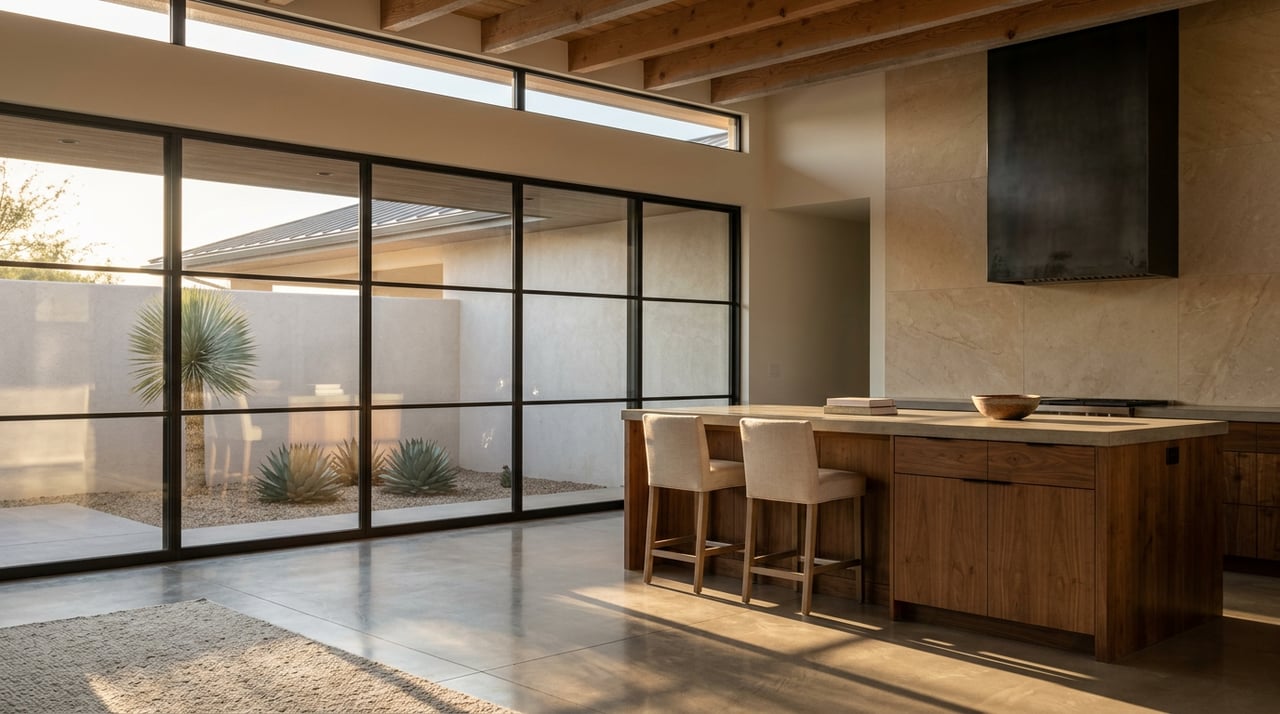
A raw homesite in Kayenta lists for around $115,000. A finished home in the same community starts closer to $600,000, and the nicer view lots with custom architecture run past $2 million. That's not a normal land-to-house ratio for the St. George market, and if you're shopping Ivins by spreadsheet, comparing price per square foot across subdivisions, that gap will throw your numbers off before you even get to the second listing.
The usual explanation for a gap like this is construction cost. Framing, stucco, roofing, finishes. But Kayenta's premium isn't sitting mostly in materials. It's sitting in a set of rules that were written into the community forty-some years ago and have been enforced ever since. Understanding what those rules actually require is the difference between reading Kayenta's numbers correctly and comparing them to a subdivision three miles away that has none of the same constraints.
The rule that changes the math
Kayenta was assembled in the mid-1970s when a group of ranchers put together desert acreage west of St. George, roughly 1,300 acres by one account, closer to 2,000 by another. What became known as "the Kayenta Concept" was formalized by 1979: a master plan built around open space, low density, and architecture that answers to the terrain instead of flattening it.
The clearest expression of that plan is a construction requirement most subdivisions don't have. Homes in Kayenta are typically set two to three feet into the grade, so rooflines sit below the natural high points around them rather than above the desert floor. That single decision adds excavation, engineering, and site work most builders in Washington County never price into a bid, because most lots don't ask for it. Layer in an architectural review process that every custom home has to clear before a permit gets pulled, plus a no-streetlights ordinance that keeps the night sky dark and forces more deliberate exterior lighting design, and you have a cost structure that starts well before drywall.
None of this is hidden. It's disclosed in the covenants every Kayenta buyer signs. But it rarely shows up in the way lots get marketed, which tends to lead with the acreage and the view and leave the build requirements for later in the process.
What that premium buys, in tiers
Here's roughly how Kayenta prices break down right now, moving from raw land to finished custom home:
| Tier | Typical range |
|---|---|
| Raw homesites | Starting around $115,000 |
| Patio homes and villas | $600,000s to $900,000s |
| Mid-range single-family | $800,000s to $1.4 million |
| Premium view homes and custom estates | $1.4 million to $2.5 million and up |
The jump from lot to entry-level finished home is the part that surprises people who've shopped elsewhere in the county, where land tends to run a more predictable fraction of the finished price. In Kayenta, the fraction is smaller because the finished home is carrying costs the lot price never reflected.
Why the HOA fee looks so small
Kayenta's HOA dues start around $125 a month, which reads as a bargain next to any golf-anchored community in Washington County, where dues plus mandatory club membership routinely run into the hundreds. The reason is straightforward: there's no golf course, no clubhouse, and no country club membership bundled into ownership. The HOA fee covers what an arts-and-architecture community actually needs to maintain, mainly common open space and the design review function itself.
That's worth sitting with for a second, because it means the low monthly number isn't evidence that Kayenta is the cheaper option overall. It's evidence that the money is front-loaded into the purchase price and the build requirements instead of spread across a lifetime of club dues. Buyers comparing total cost of ownership need to run both numbers, not just the one that shows up in the HOA disclosure.
For context, Black Desert Resort, which opened its golf course in 2023 and straddles the line between Ivins and neighboring Santa Clara, represents the other end of that spectrum: newer construction, resort-scale amenities, and a fee structure built around a golf and hospitality operation rather than an arts covenant. Neither model is better. They're solving for different things, and a buyer who wants clubhouse dining and tee times is shopping a different product than a buyer who wants design review and dark skies.
Where Kayenta sits against Ivins as a whole
It helps to see Kayenta's numbers next to the citywide picture. Across Ivins, homes that closed in July 2026 had a median sale price of $622,200, selling at 98.4 percent of final list price and going under contract in a median of 40 days. Unsold inventory that same month was asking a median of $799,900, up nearly 16 percent year over year. One widely used home-value index put Ivins' average home value at about $614,000 in July 2026, essentially flat from the year before.
Set Kayenta's tiers against that backdrop and the pattern is clear: entry-level Kayenta homes sit right around the Ivins median, but the community's upper tiers, the $1.4 million to $2.5 million custom estates, sit well above where the citywide numbers alone would suggest Ivins tops out. If you've only looked at the city median, you've been looking at a number that Kayenta's premium inventory barely touches.
The dividend the covenant pays
The reason people pay for the constraint is the thing it protects. Kayenta Art Village, built into the community, isn't a marketing amenity that gets added after the fact. It's a working arts district with galleries, working studios, and a full calendar that runs year-round. The Center for the Arts at Kayenta, at 881 Coyote Gulch Court, hosts more than fifty performances and events annually, from theater to lectures to film screenings. Xetava Garden Cafe and the Rusted Cactus anchor the food side. MakeSpace Kayenta runs hands-on classes in watercolor, botanical printing, and figure drawing. The volunteer-run Kayenta Desert Arboretum leads out to an eleven-circuit labyrinth and sculpture garden that's open to anyone walking through.
The calendar doesn't slow down between headline events, either. Today, the Kayenta Arts Foundation is hosting The Toast of Kayenta, an evening built around the region's restaurant and wine and beer scene. In October, the free three-day Art in Kayenta festival returns October 9 through 11 with more than fifty juried artists showing sculpture, painting, jewelry, and ceramics under the same red rock the covenants were written to protect. First Fridays run every month, extending village hours into the evening with exhibitions and live music.
None of that happens by accident. It happens because the same architectural control that adds cost to a home build also keeps the setting the art village depends on from getting crowded out by denser, faster construction. The premium and the payoff come from the same source.
What to check before you compare lot to lot
If you're pricing land in Kayenta against land anywhere else in Ivins or the wider St. George market, a few questions will tell you more than the sticker price:
- Does the lot fall under mandatory architectural review, and how long has that process typically taken for comparable builds
- What does sunken siting add to excavation and site prep on this specific lot's grade
- Is the HOA fee the full monthly cost of ownership, or is it one piece next to a separate club or membership structure elsewhere in the corridor you're also considering
- What utilities and access are already at the lot line versus what needs to be brought in
None of these questions have a universal answer. They depend on the specific parcel, the specific builder, and the specific timeline you're working with. That's exactly why they're worth asking before an offer goes in rather than after.
A few common questions
Is Kayenta age-restricted? No. It draws a mix of second-home buyers, retirees, and design-focused full-time residents, but there's no age requirement built into the covenants.
Can I build without going through the design review process? Not within Kayenta. The review is part of every custom build and is one of the mechanisms that keeps the community's architectural character consistent, which is also part of what supports resale value over time.
Does the HOA fee include Kayenta Art Village access? The Art Village businesses and events are open to the public, not gated to residents. The HOA fee covers common area maintenance and the design review function, not club or arts programming.
If you're weighing Kayenta against another part of Ivins, or trying to figure out what a specific lot's build requirements actually mean for your budget and timeline, that's the kind of question worth a direct conversation before you write an offer. Eric Nicholaus at Nicholaus Realty, LLC has spent years working this exact stretch of Washington County and can walk through what a covenant like this means for your specific plans. Let's Connect.