Wondering whether an HOA community in Ivins is a smart fit for your lifestyle? You are not alone. Many buyers love the idea of lower-maintenance living, shared amenities, and polished neighborhood appearance, but they also want to know exactly what the rules, fees, and responsibilities look like before they commit. This guide will help you understand how HOA and community living options in Ivins typically work, what questions to ask, and how to spot the right fit for your goals. Let’s dive in.
Why HOA Living Matters in Ivins
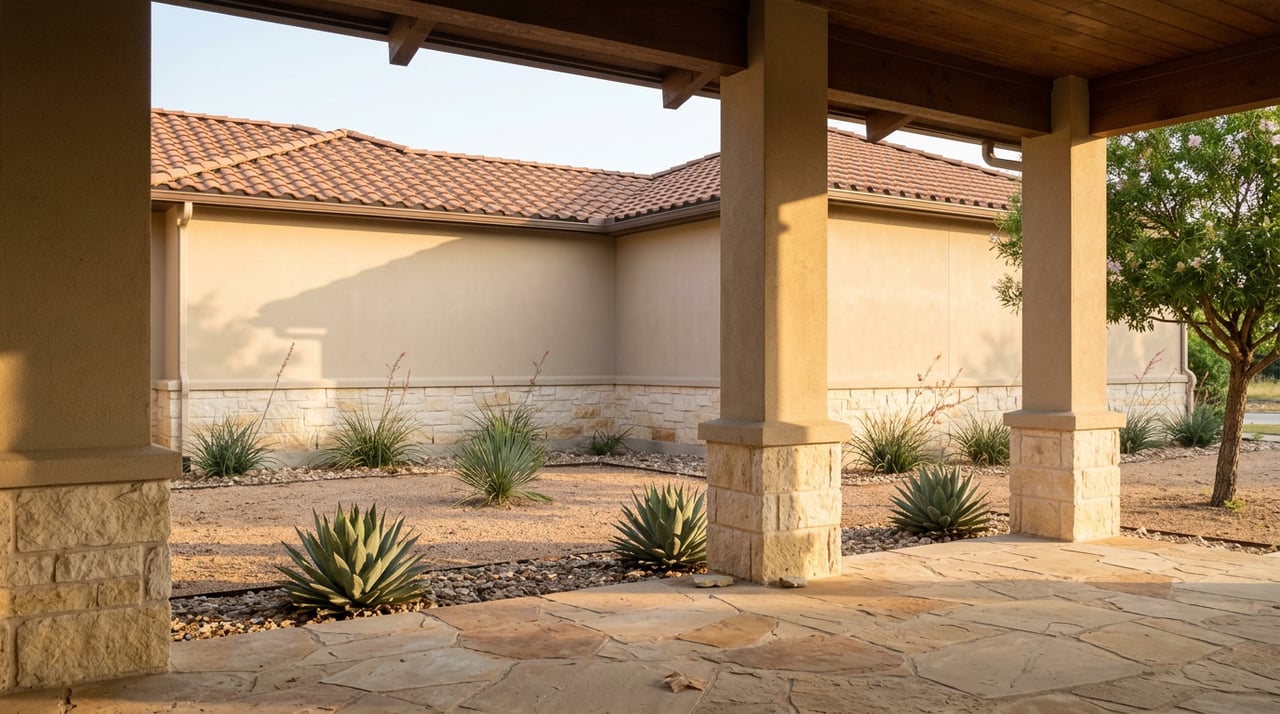
Ivins has a distinct setting, and that shapes how many communities are planned and maintained. The city’s planning documents emphasize open space, scenic views, unique neighborhoods, and overall quality of life. Ivins also notes that it sits in one of the most water-scarce regions in the country, which affects how landscaping is handled in newer subdivisions.
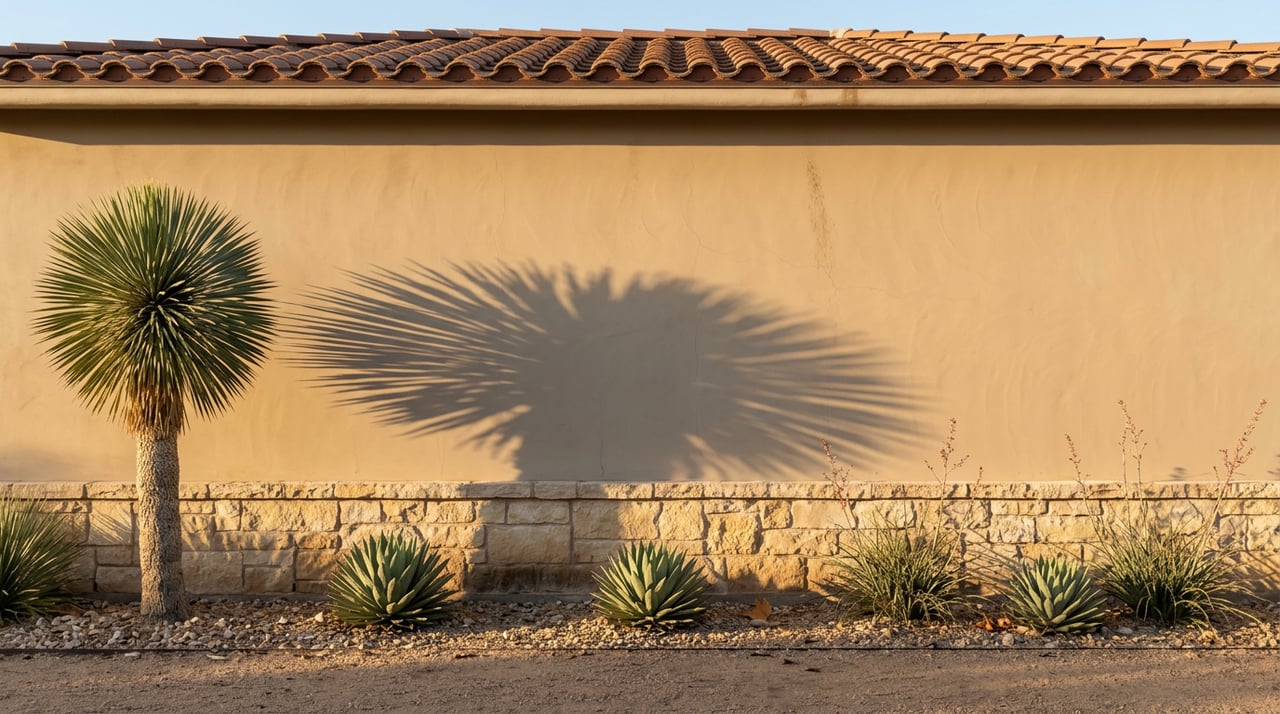
Because of that local context, HOA rules in Ivins may pay closer attention to exterior appearance, irrigation, and water-wise landscaping than buyers expect in other markets. New subdivisions must follow water-efficient landscape standards that limit turf, use drip irrigation for shrubs and trees, and include separate irrigation meters. If you are comparing neighborhoods, those details can affect both your monthly costs and your day-to-day upkeep.
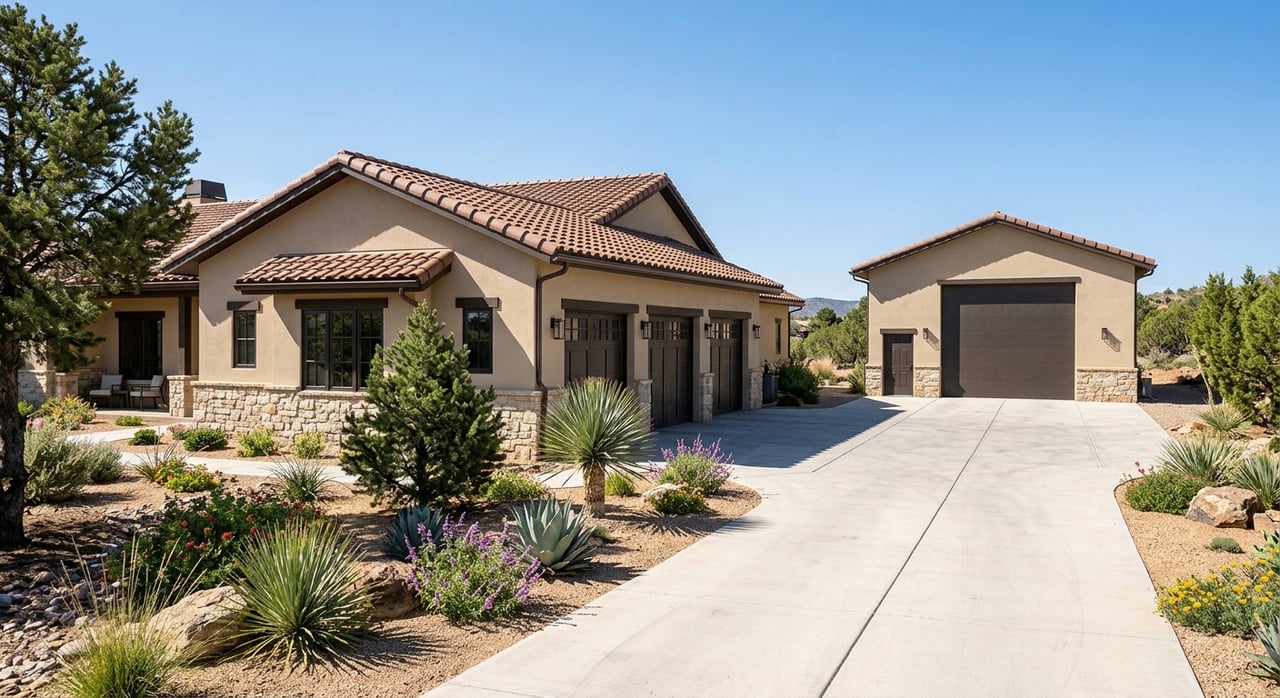
Ivins also plans for a variety of housing types, which helps explain why you may see very different community setups in the same local market. Some neighborhoods are designed for lower-maintenance living, while others feel more traditional and hands-on. That variety gives you options, but it also makes careful review even more important.
How HOA Ownership Usually Works
In Utah, an HOA is a contract-based community. That means you typically own your lot or unit while also sharing ownership of certain common areas through the association. The exact split between what you own and what the HOA maintains is one of the biggest factors in how a community will feel to live in.
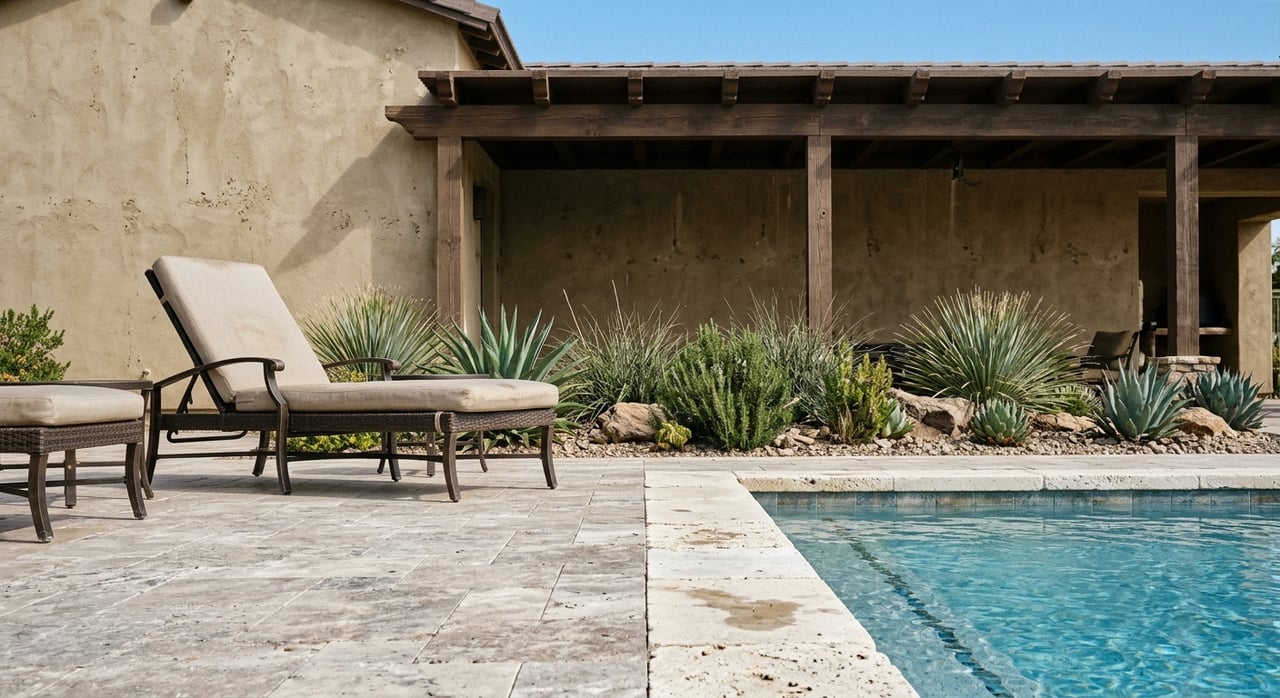
Utah’s homebuyer checklist separates property into three categories: common area, limited common area, and private property. Common areas can include things like pools, parks, clubhouses, sports courts, streets, sidewalks, entrance gates, and water systems. Limited common areas may include assigned parking, patios, balconies, or sometimes yards that are for your use but still governed differently than your private interior space.
Your private property is the portion you maintain directly. That is why a condo, townhome, and single-family home in an HOA can come with very different maintenance expectations, even if they appear similar at first glance. In Ivins, where buyers often prioritize ease of living and exterior upkeep, this distinction matters a lot.
Master Associations and Sub-Associations
Some larger or master-planned communities may include a master association plus one or more sub-associations. In practical terms, that can mean more than one set of dues and more than one set of governing documents. It can also mean different layers of maintenance responsibility.
Before you buy, ask whether the property is part of a master association, a sub-association, or both. You should also confirm whether the community is still under developer control or already homeowner-controlled. In some developments, there may also be a Public Infrastructure District or another ongoing financing obligation attached to the property.
HOA Fees and What They Really Cover
HOA dues can be billed monthly, semiannually, or annually. They may cover maintenance, insurance for shared components, amenities, landscaping, or other community services. The challenge is that the same dues amount can mean very different things from one community to the next.
Some communities keep dues low but rely more on special assessments for large projects. Others charge higher regular dues to reduce the chance of surprise costs later. Neither model is automatically better, but you should know which one you are buying into.
Another point to watch is whether dues are being subsidized during the buildout period. In some newer communities, the developer may help support dues at first. Once that subsidy ends, owners may see a noticeable increase.
Reserve Funds and Special Assessments
Utah law requires associations to conduct a reserve analysis at least every six years and review or update it at least every three years. That reserve analysis helps show whether the HOA is planning for future repair and replacement costs. It can give you a clearer picture of whether the budget is built for long-term stability.
You should ask for the most recent reserve analysis, annual budget, and financial statement. It is also wise to ask whether there have been recent special assessments, whether any are pending, and how the board typically handles major expenses. A community with strong reserve planning may feel more predictable over time.
Rules Can Shape Daily Life
The lifestyle side of HOA living is just as important as the financial side. Before you buy, review the CC&Rs, bylaws, rules and regulations, fee schedules, design guidelines, and any master or sub-association documents. These documents explain what is allowed, what requires approval, and what may lead to extra fees.
Utah’s checklist specifically recommends asking about architectural approval, rental restrictions, parking, pets, chickens or other livestock, noise, decorations, and 55+ occupancy rules. If you plan to rent the home now or later, that needs special attention. HOA rules can limit rentals, including short-term rentals, though Utah law includes some exceptions in certain situations.
It is also worth knowing that internal accessory dwelling units cannot be prohibited if they meet applicable land-use, building, health, and fire codes. For buyers thinking long term, that may matter more than they realize. Even so, every property should be reviewed carefully in context.
Exterior Changes and Landscaping
In Ivins, landscaping rules can carry extra weight because of the city’s emphasis on water-efficient development. If you enjoy personalizing outdoor space, you will want to know what the HOA allows before you buy. Some communities may require approval for plantings, hardscape changes, paint colors, or other visible exterior updates.
You should also confirm which parts of the yard are HOA-maintained and which parts are your responsibility. In some single-family HOA neighborhoods, front yards may be maintained by the HOA even if they look like part of the private lot. The deed and CC&Rs should clarify that.
A Simple Ivins HOA Review Checklist
If you are considering a home in an HOA community in Ivins, use this checklist before closing:
- Request the CC&Rs, bylaws, rules and regulations, and design guidelines
- Review the most recent budget, financial statement, and reserve analysis
- Ask about current dues, recent increases, and any developer subsidies
- Check for current or pending special assessments
- Confirm what the HOA maintains versus what you maintain
- Ask whether the property is part of a master association or sub-association
- Verify whether the HOA is still under developer control
- Review insurance certificates and board minutes from the previous three calendar years
- Ask about lawsuits, settlements, construction defect claims, warranties, or insurance questions
- Clarify rules for rentals, parking, pets, decorations, noise, exterior changes, and occupancy restrictions if applicable
Starting early matters. Utah’s HOA office says the seller is responsible for gathering the association disclosures for the buyer, and associations or managers typically have 14 days to respond to seller requests for documents. If you wait until the last minute, you may feel rushed when it is time to make an informed decision.
Questions Worth Asking Before You Commit
Sometimes the best protection is simply asking better questions. A few focused conversations can reveal whether a community is truly a match for the way you want to live. This is especially helpful if you are relocating to Ivins and learning the area from a distance.
Here are a few strong questions to ask:
- Which areas are common, limited common, and private property?
- What exactly does the HOA maintain?
- Are there multiple dues or multiple governing documents?
- Is the community still under developer control?
- Have dues increased recently, and are more increases expected?
- Are there any pending special assessments or major projects?
- What rules apply to rentals, pets, parking, and exterior changes?
- Are there any known legal, insurance, or construction-related issues to review?
If financing is part of your purchase, talk with your lender early. Utah’s checklist notes that HOA condition, rental levels, and related factors can affect FHA or other loan options. That is not something you want to discover late in the process.
Finding the Right Lifestyle Fit
The right HOA is not just about whether dues seem reasonable. It is about whether the community’s rules, maintenance structure, and expectations line up with how you actually want to live. For some buyers, that means low-maintenance landscaping, shared amenities, and fewer exterior chores. For others, it means more flexibility with parking, outdoor changes, or future rental use.
In Ivins, those tradeoffs can feel especially important because of the area’s scenic setting, newer planned communities, and water-conscious design standards. A neighborhood that feels ideal for one buyer may feel too restrictive for another. That is why local guidance and a careful document review can make such a difference.
If you are comparing HOA homes, townhomes, condos, or single-family options in Ivins, a calm, detailed review can help you avoid surprises and buy with more confidence. When you understand both the lifestyle and the paperwork, it is much easier to choose a home that supports your goals now and later.
If you want help comparing HOA communities, reviewing tradeoffs, or narrowing down the right fit in Ivins or the greater St. George area, reach out to Nicholaus Realty, LLC. You will get straightforward local guidance focused on your lifestyle, not pressure.
FAQs
What should buyers know about HOA living in Ivins?
- Buyers in Ivins should pay close attention to landscaping rules, irrigation standards, maintenance responsibilities, dues, reserve funding, and community rules because local development places strong emphasis on water-efficient landscaping, open space, and neighborhood appearance.
What documents should buyers request from an Ivins HOA?
- Buyers should request the CC&Rs, bylaws, rules and regulations, design guidelines, budget, financial statement, reserve analysis, insurance certificates, board minutes from the previous three calendar years, and information about any assessments, lawsuits, or construction-related issues.
What is the difference between common area and private property in a Utah HOA?
- Common areas are shared spaces such as parks, pools, clubhouses, streets, or sidewalks, while private property is the portion the owner maintains directly; limited common areas, such as patios or assigned parking, fall in between and may be for exclusive use with separate rules.
Can HOA fees increase in Ivins communities?
- Yes, HOA fees can increase over time as maintenance costs rise, and some communities may also see changes when developer subsidies end or when special assessments are needed for larger repairs or projects.
Do HOA rules in Ivins affect rentals and exterior changes?
- Yes, HOA rules may affect rentals, including short-term rentals, and may also require approval for exterior changes such as landscaping or design modifications, so buyers should review the governing documents carefully before closing.
Why should buyers ask if an Ivins HOA is under developer control?
- Buyers should ask because a community under developer control may still be transitioning to homeowner leadership, which can affect budgeting, dues, governance, and how future decisions are made.